Free
Literacy
Line and shape tracing build fine motor control before letters and numbers. Designed for preschool and kindergarten (ages 3–6).
Trace circles, triangles, stars, and polygons to build pencil grip and geometry basics.
Literacy
Literacy
Literacy
Literacy
Literacy
Literacy
Literacy
Literacy
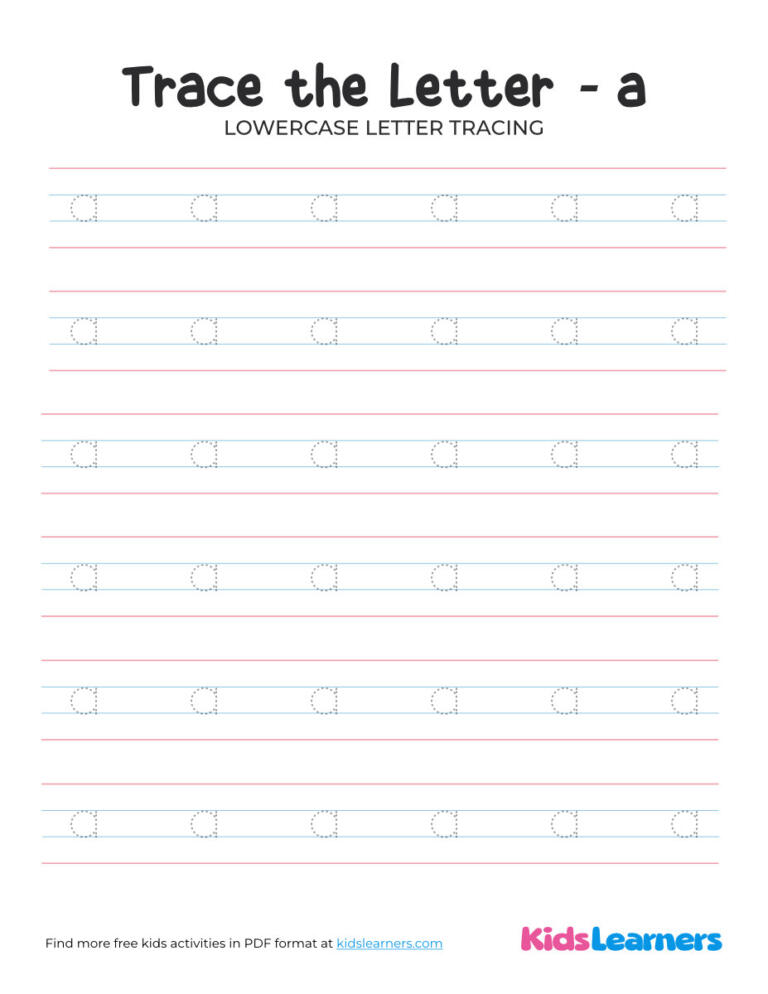
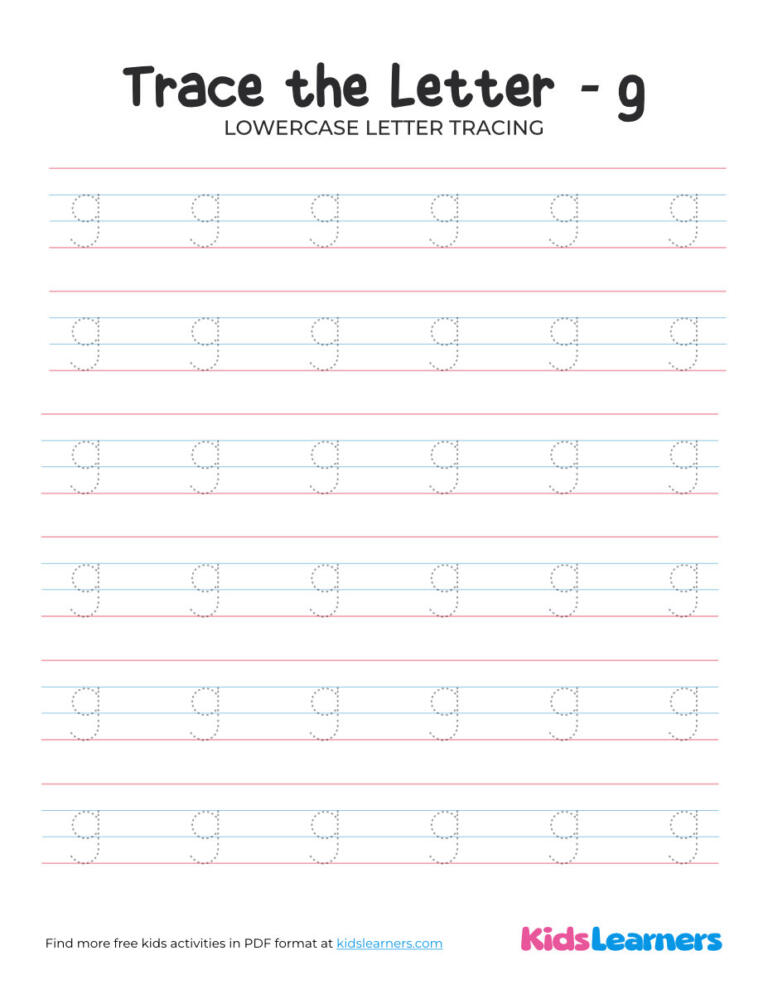
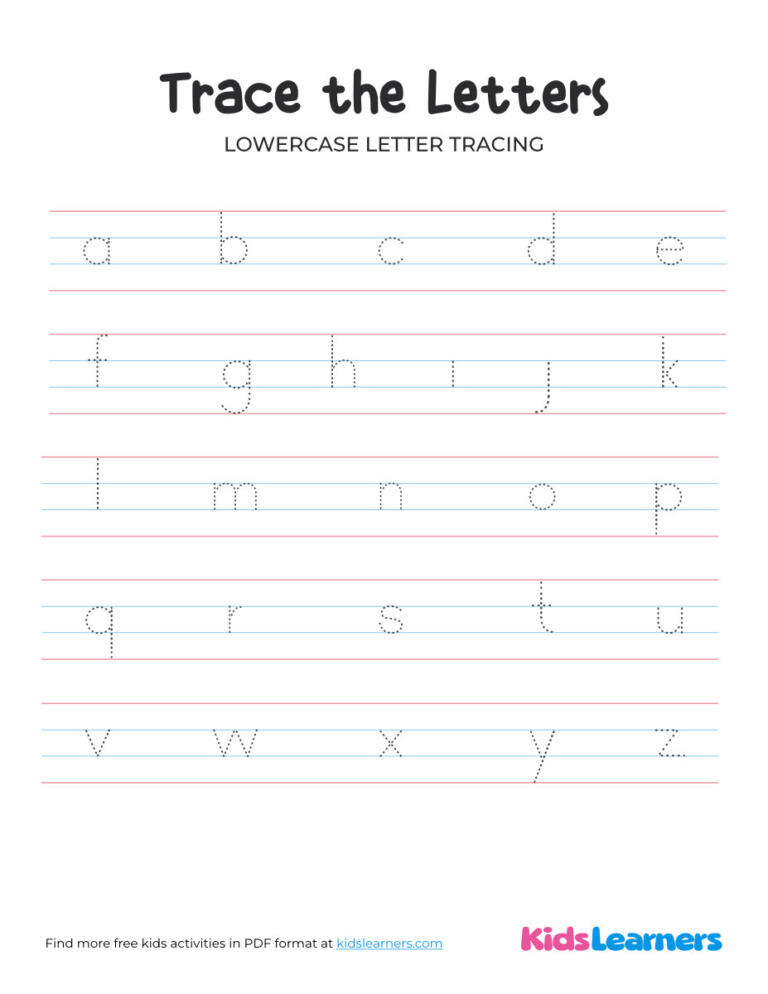
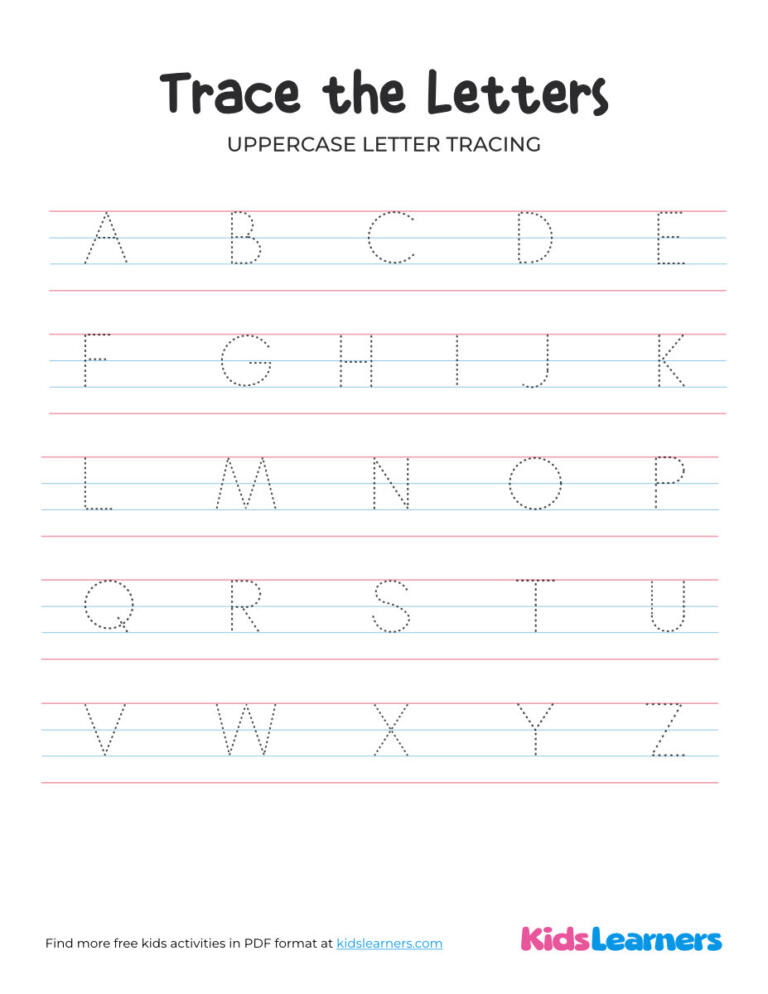
Step-by-step dashed letter formations for uppercase and lowercase alphabet mastering.
Literacy
Literacy
Literacy
Math
Math
Math
Math
Math
Discover companion spaces to continue early educational pathways and guided activities.
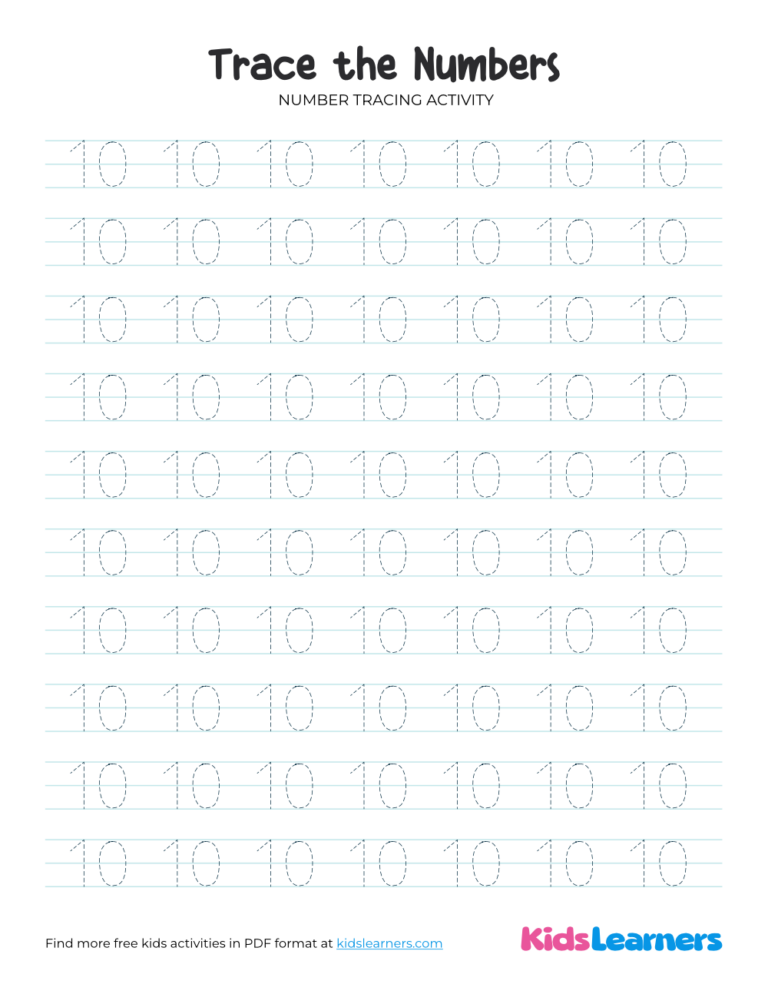
Digit formations and counting guides for early math.
Explore NumbersWritingCursive exercises, line spacing, and baseline grids.
Explore HandwritingFine MotorShapes, dot-to-dot line tracing, and coordinates.
Explore Fine MotorLettersLetter sound matching and trace practice sheets.
Explore AlphabetCommon questions about pre-writing skills and early pencil control.
KidsLearners offers both free and premium tracing worksheets. Many printable tracing worksheets are available at no cost, while expanded collections and premium resources are clearly marked before download. Each worksheet has its own page with a printable PDF download.
Our tracing worksheets are designed primarily for preschool and kindergarten children (ages 3–6). Younger learners can begin with pre-writing, line tracing, and shape tracing, while older preschoolers and kindergarten students can progress to letter and number tracing before moving on to handwriting practice.
Children usually benefit from progressing one skill at a time. A recommended learning sequence is fine motor activities, pre-writing, line tracing, shape tracing, letter tracing, number tracing, and finally handwriting practice. Building confidence with each stage helps develop pencil control and writing readiness.
Short, consistent practice sessions work best. Aim for 10–15 minutes of tracing practice several times per week, or brief daily sessions if your child enjoys the activities. Regular practice helps strengthen fine motor skills, pencil control, and confidence without becoming overwhelming.
Yes. Our tracing worksheets are designed for parents, teachers, homeschool families, and educational childcare settings. Many worksheets are free, while some expanded collections are premium. All resources may be printed and used for personal and educational purposes in accordance with our license terms. Commercial resale, redistribution, or republishing is not permitted.
Once your child can confidently trace lines, shapes, letters, and numbers with good pencil control, the next step is handwriting practice. Handwriting worksheets encourage children to form letters independently and build writing confidence using the skills developed through tracing.
Yes. We offer both uppercase and lowercase letter tracing worksheets. Many children begin by recognizing and tracing uppercase letters before progressing to lowercase, but every learner develops differently. Our printable worksheets support both letter forms so children can progress at their own pace.